
eVisa UK: Everything You Need to Know About the UK's Digital Immigration System
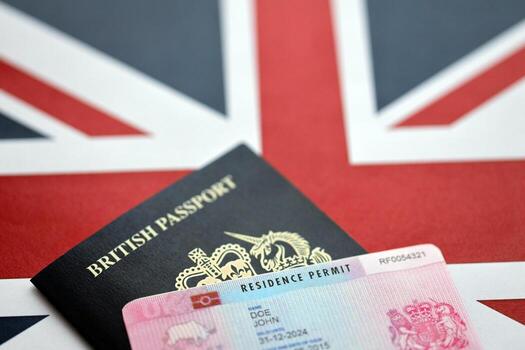
The UK immigration system has undergone a major digital transformation. Physical immigration documents such as Biometric Residence Permits (BRPs), Biometric Residence Cards (BRCs), visa stickers and passport stamps are gradually being replaced by a digital immigration record known as an eVisa.
For anyone living, working or studying in the UK, understanding how the eVisa system works is now essential. This guide explains what an eVisa is, who needs one, how to access it and what you should do to keep your immigration status up to date.
What Is an eVisa?
An eVisa is an online record of a person's immigration status held by the UK Home Office. Rather than carrying a physical immigration document, eligible individuals can access their status digitally through a UK Visas and Immigration (UKVI) account.
The eVisa contains information such as immigration status, visa category, length of permission to stay, conditions attached to the visa, right to work, right to rent, and study permissions where applicable.
The system enables organisations and government bodies to verify immigration status online, reducing reliance on physical documents.
Who Needs an eVisa?
Most non-British and non-Irish nationals who have permission to live in the UK will use an eVisa.
This includes individuals who hold Skilled Worker visas, Student visas, Family visas, Graduate visas, Refugee status, Humanitarian protection, Indefinite Leave to Remain, Settled Status, and Pre-Settled Status.
British and Irish citizens do not require an eVisa. Short-term visitors may also fall outside the eVisa system depending on their immigration category.
The Move Away From Physical Immigration Documents
For many years, immigration status was evidenced through physical documents such as BRPs and visa vignettes. The UK government is now replacing these documents with digital records to improve security and reduce the risk of loss, theft and fraud.
A BRP reaching its expiry date does not automatically mean that a person's immigration permission has ended. The immigration status itself may still be valid even if the physical card has expired.
Many individuals can use details from an expired BRP to create or access their UKVI account and transition to the digital system.
Creating a UKVI Account
A UKVI account serves as the gateway to accessing and managing an eVisa.
To create an account, applicants typically need an email address, a mobile phone number, date of birth, and a valid identity document such as a passport or BRP.
Individuals who previously applied through routes such as the EU Settlement Scheme or certain visa categories may already have an existing UKVI account.
Once created, the account allows users to view their immigration status, update personal information and generate status-sharing codes when required.
Keeping Your Details Updated
Maintaining accurate information within your UKVI account is important.
Users should update their account whenever they renew a passport, change their name, change nationality, update their email address, or change their mobile number.
Failure to keep identity documents linked to the account up to date can result in travel delays and difficulties proving immigration status.
Using the UK Immigration ID Check App
Many applicants verify their identity through the UK Immigration: ID Check app.
The application allows users to scan the biometric chip in a passport, verify identity digitally, submit a live photograph, and confirm personal information.
The app helps streamline the immigration process and reduces the need for physical appointments.
How to Access Your eVisa
Once an eVisa has been issued, it can be viewed online through the UKVI system.
After signing in, users can see visa type, validity dates, work permissions, study permissions, housing eligibility, public funds restrictions, and linked travel documents.
It is important to regularly review the information displayed and report any errors as soon as possible.
What Is a Share Code?
A share code is a temporary code generated through the UKVI account that allows third parties to verify immigration status.
Share codes are commonly used by employers, landlords, letting agents, and educational institutions.
To generate a share code, users select the purpose of the check, create the code and provide it along with their date of birth to the requesting organisation.
These codes generally remain valid for a limited period before a new one must be generated.
Proving Your Right to Work and Rent
The digital immigration system allows employers and landlords to confirm immigration status online.
Employers use the official right-to-work checking service to verify an individual's employment eligibility. Similarly, landlords can carry out right-to-rent checks through government-approved systems.
In many cases, physical copies of immigration documents are no longer sufficient evidence.
Correcting Errors in Your eVisa
Occasionally, mistakes can appear within digital immigration records.
Common issues include incorrect names, wrong dates of birth, missing work rights, incorrect visa expiry dates, and missing settlement status.
If an error is identified, it should be reported through the appropriate Home Office channels as quickly as possible. Supporting documents may be required to verify the correction request.
eVisas and Indefinite Leave to Remain
Some individuals who obtained Indefinite Leave to Remain years ago may still hold older forms of evidence, such as passport endorsements or immigration stamps.
These individuals can often convert their status into a digital format, making it easier to prove their rights when dealing with employers, landlords and government services.
Those with Settled Status under the EU Settlement Scheme already operate within a digital immigration framework and should ensure their passport information remains current.
Common eVisa Problems
Although the system is designed to simplify immigration management, users occasionally encounter difficulties.
Common challenges include forgotten login credentials, loss of access to registered email addresses, problems receiving security codes, incorrect identity document details, and technical errors when signing in.
Most issues can be resolved through official recovery processes, though complex cases may require professional immigration advice.
Travelling With an eVisa
The digital immigration system is increasingly integrated into airline and border control checks.
When travelling, passengers should ensure their current passport is linked to their UKVI account, immigration details are accurate, and travel documents match the information held by the Home Office.
Failure to update passport information before travel can result in boarding difficulties or delays at the border.
While immigration status is stored digitally, carrying copies of decision letters and relevant immigration documents can provide additional reassurance when travelling internationally.
Key Takeaways
The UK's move towards a fully digital immigration system represents a significant shift in how immigration status is managed and verified.
For most visa holders, the eVisa is now the primary method of proving their right to live, work, study and access services in the UK. Keeping a UKVI account secure, maintaining accurate personal information and understanding how to generate share codes are essential steps in ensuring a smooth experience under the new system.
As the transition away from physical immigration documents continues, familiarity with the eVisa process will become increasingly important for anyone holding immigration permission in the United Kingdom.
Ready when you are.
A real conversation and an honest look at your profile. Visa interview prep included.
Book consultation